24/7 Field Service · +1 866 926 4487 · [email protected]
Region: US EU MEA APAC EN
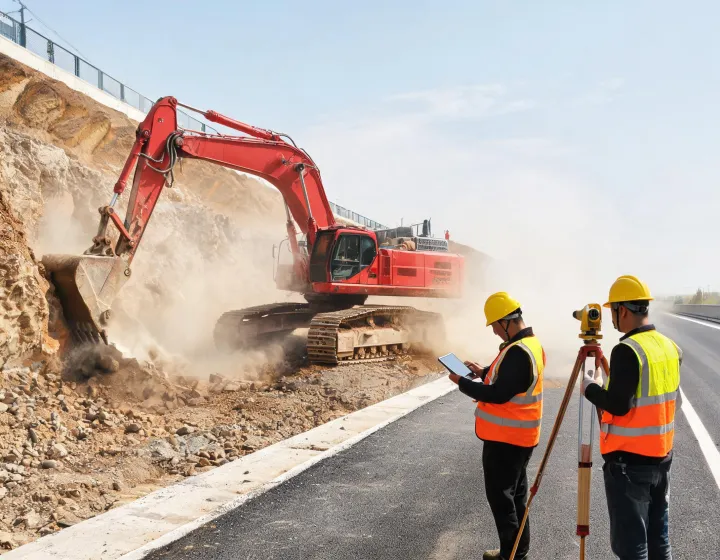
XCMG excavator documented on highway earthworks project
Documented jobsites

Case Studies From Live Quarries, Corridors and Bridge Lifts

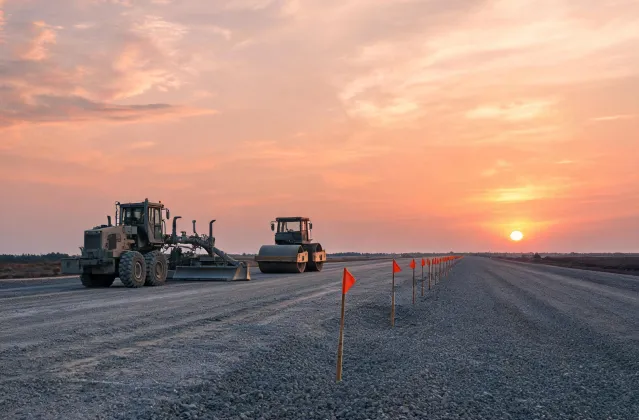
Each study captures operating hours, digging depth or lifting capacity windows, downtime causes and contractor feedback — so procurement and fleet teams can compare XCMG iron against their own critical path, not against brochure claims.

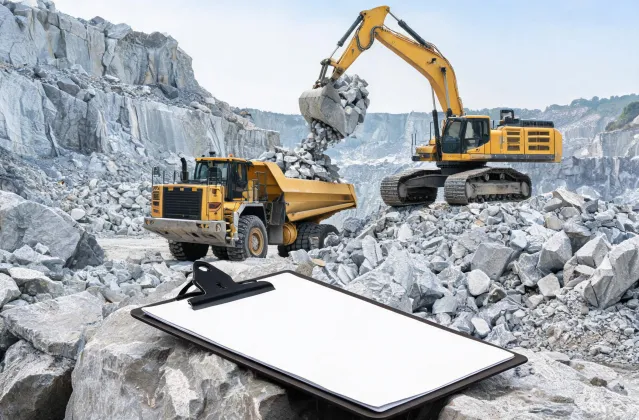
On a West African limestone quarry, three 36-ton crawler excavators and two wheel loaders completed a 14-week mass excavation push with an average of 1,860 productive hours. Undercarriage bushing wear tracked within four percent of the forecast at 4,200 hours, and hydraulic return-line samples stayed inside the ISO 4406 band set during commissioning. The equipment manager’s note was blunt: production held because filter kits and track shoes were staged at the regional hub before the rainy season closed the haul road.

"The yellow-and-red iron showed up with load charts, wear forecasts and a parts list — not a sales dinner." — Fleet Manager, highway corridor JV

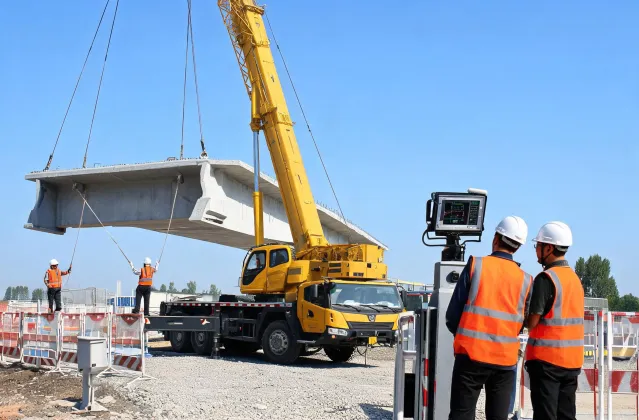
A Southeast Asian bridge approach used a 90-ton mobile crane for precast segment lifts over eight weeks. Boom length and outrigger ground-bearing checks were logged daily; AS / ASME style lift-plan habits kept the critical path intact when wind windows shrank. Separate urban demolition and coastal port case files document high-reach excavator sorting rates, motor grader finish tolerances and aerial platform utilization during plant shutdowns. Together they form a practical library for project directors who need proof before approving the next class purchase.

Technical Trade-offs Buyers Still Debate

Fleet decisions rarely have a single correct machine. These two debates show up on almost every XCMG applications call — both sides are presented so bid meetings can defend the choice with site data, not brochure preference.

Crawler Excavator vs. Wheeled Excavator

Crawler side: Lower ground pressure (often in the 40–55 kPa band depending on track shoe width) keeps machines stable on soft quarry floors and deep cuts. Digging depth, breakout force and continuous slew under load favor crawlers for mass earthworks, abrasive rock and long-duration pit faces where transport between sites is infrequent.

Wheeled side: Road travel without a lowboy trailer cuts mobilization cost on urban utility corridors and multi-site highway packages. Cycle efficiency wins when the duty is shallow excavation plus frequent relocation, provided pavement bearing capacity and tire wear budgets are acceptable.

Practical call: Choose crawlers when ground pressure, gradeability and continuous digging depth dominate. Choose wheeled when daily road transfer kilometers exceed productive dig hours — then size tires and outriggers for the softest pad on the route.
Electric Overhead Crane vs. Diesel Mobile Crane

Electric overhead side: Fixed-runway electric cranes deliver lower energy cost per lift cycle indoors, with no diesel exhaust in enclosed fabrication halls. Lifting capacity and hoist speed stay predictable once runway foundations and power feeders are installed — ideal for long-horizon plant work with stable bay layouts.

Diesel mobile side: No civil runway investment; boom length and outrigger ground-bearing can be re-staged for bridge approaches, stockyard reclaimers or temporary laydown. Total cost of ownership favors mobiles when the project moves every few months or when indoor power infrastructure is incomplete.

Practical call: Lock electric overhead when the lift envelope is permanent and indoor air quality rules apply. Keep diesel mobile cranes when the critical path includes outdoor lifts, temporary pads or sites without runway steel.

Operating Boundaries We Disclose Up Front

Case Study Questions Fleet Teams Ask First

How do you decide which projects enter the published case library?

We prioritize jobs with measurable hours, verified machine serials, documented digging depth or lifting capacity windows and permission from the contractor to share anonymized results. Marketing-only photo shoots without production data do not qualify.

Can we request a case study matching our rock type or pavement spec?

Yes. Share abrasive rock class, moisture, haul-road grade or pavement authority compaction force requirements. Engineering will route the closest quarry, highway or bridge file plus the related undercarriage or crane notes.

Do case studies include parts lead times and MTTR?

When the contractor records them, yes. Many files list mean-time-to-repair, first-time-fix outcomes and which kits were pulled from which regional hub.

Will you share operator training or lift-plan materials used on the project?

Where licensing allows, we share the training outline, boom load-chart checklist and hydraulic cleanliness SOP used on that jobsite — useful for safety officers preparing their own method statements.

Request a case file matched to your next fleet decision.

Tell us equipment class, rock or pavement duty, country and the decision date. We will send the closest documented project with hours, wear notes and contractor feedback — or schedule a technical call if no public file fits.